OpenAI Agents API enters public beta with the Codex harness
What the managed agent harness covers—long sessions, context, tools, subagents, and sandboxes—and what an enterprise still needs to control.
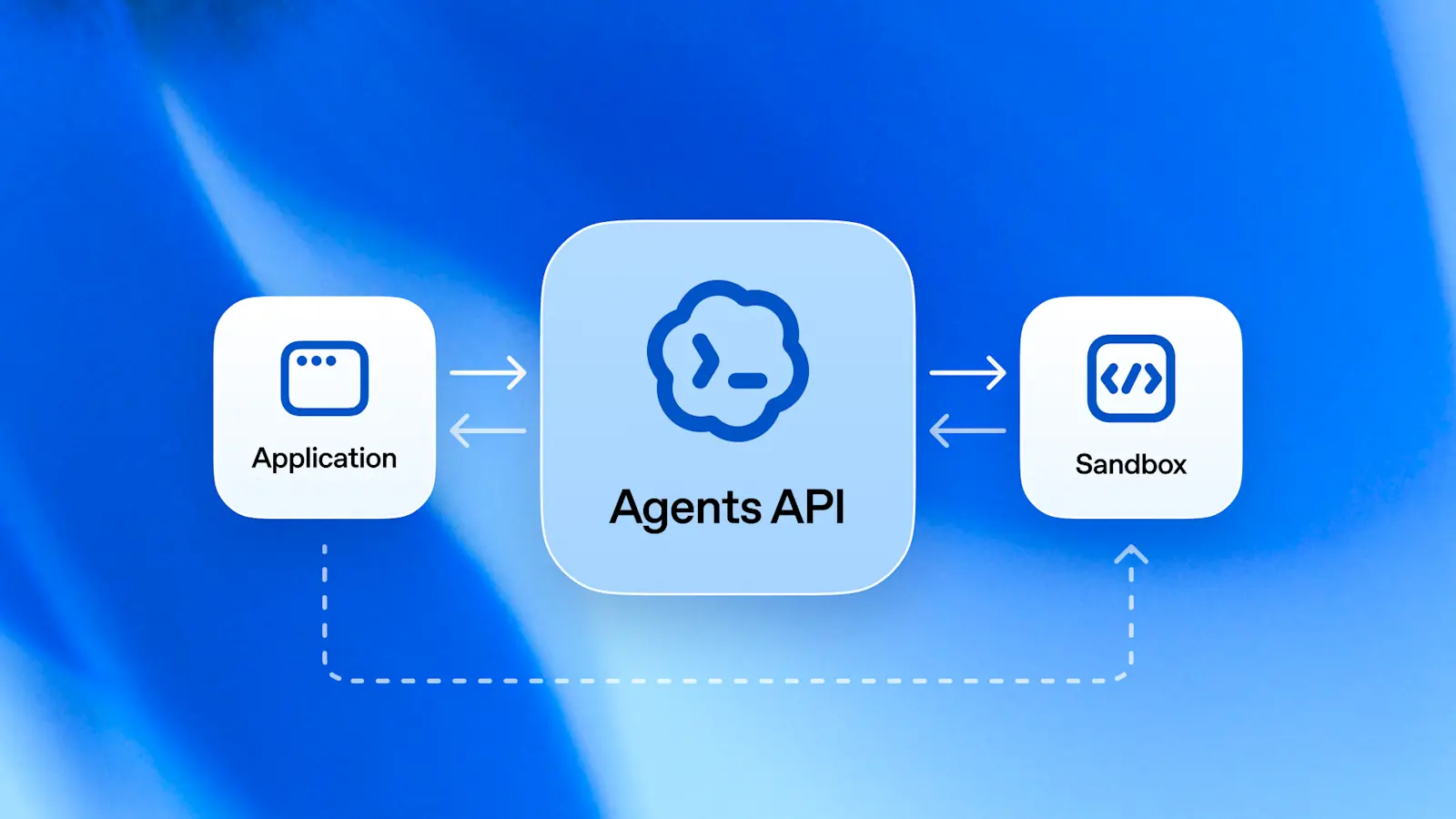
Agents API lets developers create cloud agents using the harness behind Codex by specifying a model, tools, and an environment. It supports long-running work, context compaction, tool search, and subagents. Public beta status still calls for stability and governance testing before critical production use.
Best for: Engineering teams building multistep agents for repositories, documents, or back-office systems.Points for a team pilot
What changed
OpenAI exposed an agent harness that maintains context and long-running work through an API, reducing the amount of orchestration teams need to build themselves and enabling subagents within a session.
Availability and limits
The announcement describes a public beta for all developers. There is no separate Agents API fee, but selected models and tools are metered. Teams should confirm quotas, data residency, logging, sandbox behavior, and beta terms in their own account before production.
Implications for Thai organizations
It can speed up back-office prototypes such as document checks or code changes. Do not let an agent write to production or send external data without approval. Tool permissions, secrets, and repeated-run cost are the main operational controls.
Dates and evidence
OpenAI announced and opened the public beta on September 10, 2026. No separate source-update date was found.
Before getting started
- Choose a sandbox and network policy
- Keep secrets out of prompts and scope tools
- Set time, budget, and subagent limits
- Record traces and approvals
- Test rollback and stalled-agent recovery
Frequently asked questions
Does it replace a workflow engine?
Not entirely. It provides the harness, while the application still needs state, approvals, retries, and verifiable outcomes.
Is it production-ready?
It is a public beta. Start with bounded work and verify current terms before mission-critical use.
Sources used for verification
Vendor facts are separated from TechTouch guidance. Features, pricing, and commercial terms may change, so confirm the latest information at the time of purchase.