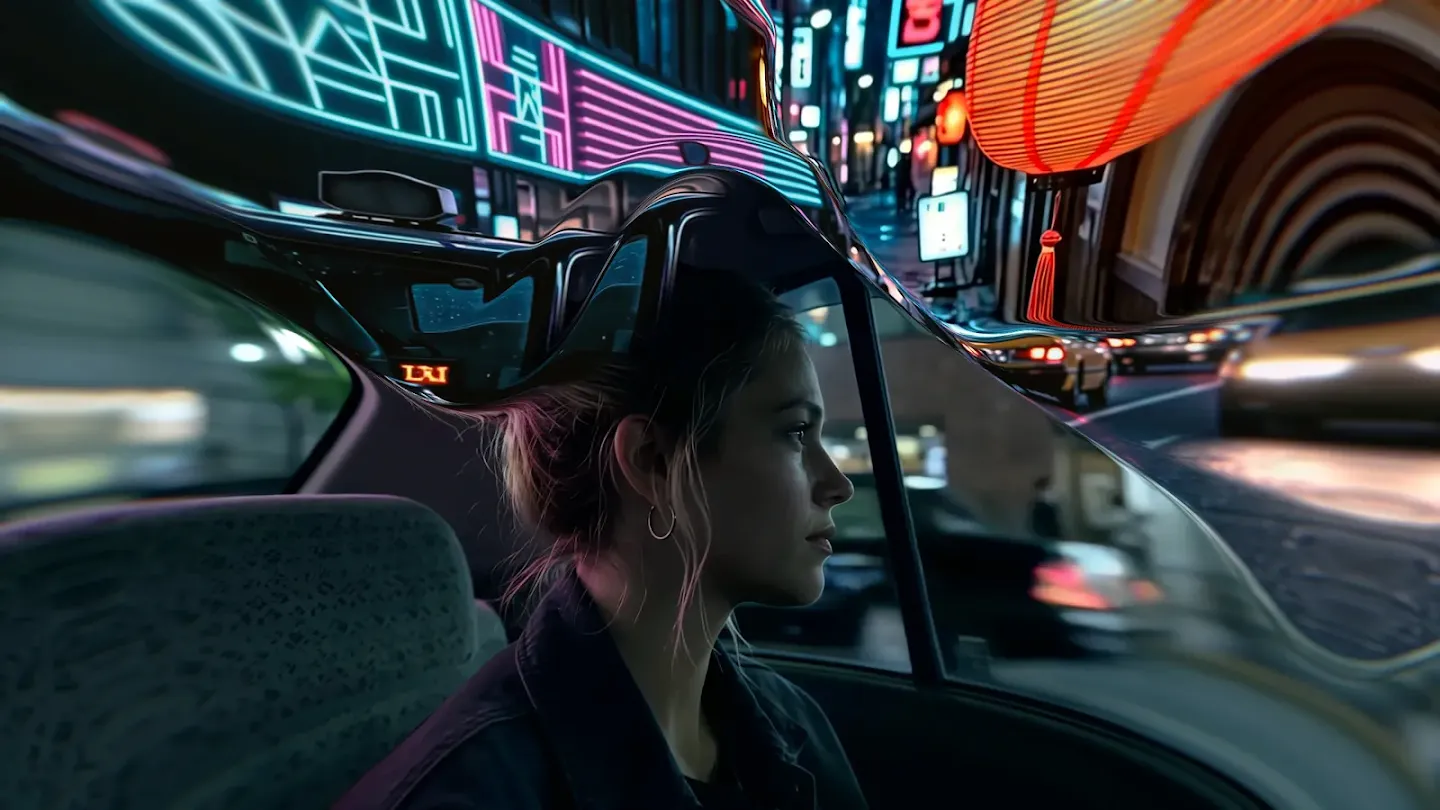
Official Google DeepMind Genie 4 artwork for interactive world-model research
Official Google DeepMind Genie 4 artwork for interactive world-model researchOriginal image: Google DeepMind ↗
AI RESEARCH NEWS · GOOGLE DEEPMIND

Genie 4 previews interactive worlds with audio, but broad access is still ahead

Google DeepMind announced Genie 4 on October 27, 2026. How interactive simulation differs from a finished clip, who can access the preview and which limitations matter.

Google DeepMind announced Genie 4 on October 27, 2026: a world model that generates interactive environments and audio together. It is a research preview for trusted testers. Ultra access through Project Genie and early-access developer channels are described as coming later, rather than open to every subscriber today.

The key points

  • Google demonstrates changing scenes through natural-language input during interaction.
  • Trusted-tester access is distinct from general plan availability.
  • A realistic-looking scene does not establish accurate geography, physics or events.

From watching a clip to choosing what happens next

The shift is interaction with a developing scene, rather than only receiving a completed video. Google describes a system drawing on Gemini capabilities and generating sound alongside imagery.

TechTouch analysis: a useful question is whether a team can explore a change to an idea without repeatedly rebuilding its presentation. Record the instruction and outcome, however: a convincing scene can still respond in an unintended way.

Who can start, and why a plan label is not enough

The launch begins with trusted testers and describes later access for Ultra in Project Genie and early Gemini API/AI Studio partners. Google One already lists Project Genie among Ultra benefits; that does not make every research-model upgrade immediately available to every account. TechTouch suggests checking model version, preview status, country, account and in-product notices separately. An existing subscription is not evidence that a new rollout has finished.

Read the limitations before interpreting a demo

The model page warns that scene details and object permanence can drift, especially during longer interaction or complex edits. Real-location accuracy, audio and text rendering remain limited, and continuous sessions are short. TechTouch’s view: for concept work, decide which properties must stay fixed and which may change, then inspect both. A simulated location should not be presented as photographic evidence of an actual event.

An evaluation a creative team can adapt

TechTouch proposes starting with one scene containing three easily identified objects. Record their positions and relationships, then change the viewpoint or environment one variable at a time. Check whether objects return in the expected places, whether sound matches actions and which instructions force a restart. Compare total working time including corrections, not only the most impressive moments. This is a proposed evaluation, not a claim that TechTouch has tested the preview.

Plausible worlds still need clear provenance

Google says generated video and audio will include SynthID.

TechTouch analysis: teams sharing a result should also label it as a simulation and retain its instructions, model version and creation date. In education or event storytelling, distinguish grounded source material from details supplied by the model. A watermark does not replace an explanation that the audience can understand.

Details and limitations

AreaAnnounced directionBoundary to retain
InteractionChange a world while exploring itNot evidence of a persistent, production-ready game world
AccessResearch preview for selected testersUltra alone does not establish immediate Genie 4 access
AccuracyDeveloper-documented limitations remainRealism is not a validated simulation

Things to know and check

  • Verify model and account access before treating it as available
  • Separate simulation from observed or measured evidence
  • Inspect objects, sound and continuity after prompt changes
  • Retain provenance and label simulations when publishing

Sources used for verification

Vendor facts are separated from TechTouch guidance. Features, pricing, and commercial terms may change, so check dates and conditions at the original source.

  1. Google — Genie 4 announcement, 27 October 2026
  2. Google DeepMind — Genie 4 research and limitations
  3. Google DeepMind — Genie 4 model page (checked 28 October 2026)
  4. Google One — Current plans and regional restrictions
Our editorial approach

Frequently asked questions

Can every Google AI Ultra subscriber use Genie 4 now?

The announcement does not establish that. It describes trusted-tester preview access and says the Ultra route is coming later.

Is this a validated engineering simulator?

This report establishes no such certification. The developer still identifies accuracy and consistency limitations.

Agent Skills and shared standards for agents