AI NEWS · CHATGPT AND CODEX USAGE

OpenAI adjusts Pro allowances ahead of shared ChatGPT and Codex usage in December

What has already changed for Pro, what starts in December 2026, and how token-based shared usage affects work across ChatGPT and Codex.

OpenAI’s documentation reviewed November 2 describes two separate changes: updated Pro allowances now, and shared ChatGPT/Codex usage for Plus, Pro and Business starting in December. Treating them as one completed rollout would obscure when each rule applies.

The key points

  • Current Pro changes and December’s transition are separate events
  • December is a starting window, not a universal completion date
  • A larger allowance does not define a fixed number of finished tasks

Pro changes depend on the subscriber’s previous allowance

Pro 200 is open to new subscribers again. Existing lower-allowance Pro 200 accounts rise to match higher-allowance accounts, which keep their allowance; cancellation and resubscription are unnecessary. Pro 100 and 500 receive twice their previous Work/Codex allowance, while Plus is unchanged. TechTouch’s interpretation: a headline about doubling needs a baseline. Compare the actual account’s old and current state before drawing conclusions about capacity for a specific workflow.
December changes the shared boundary

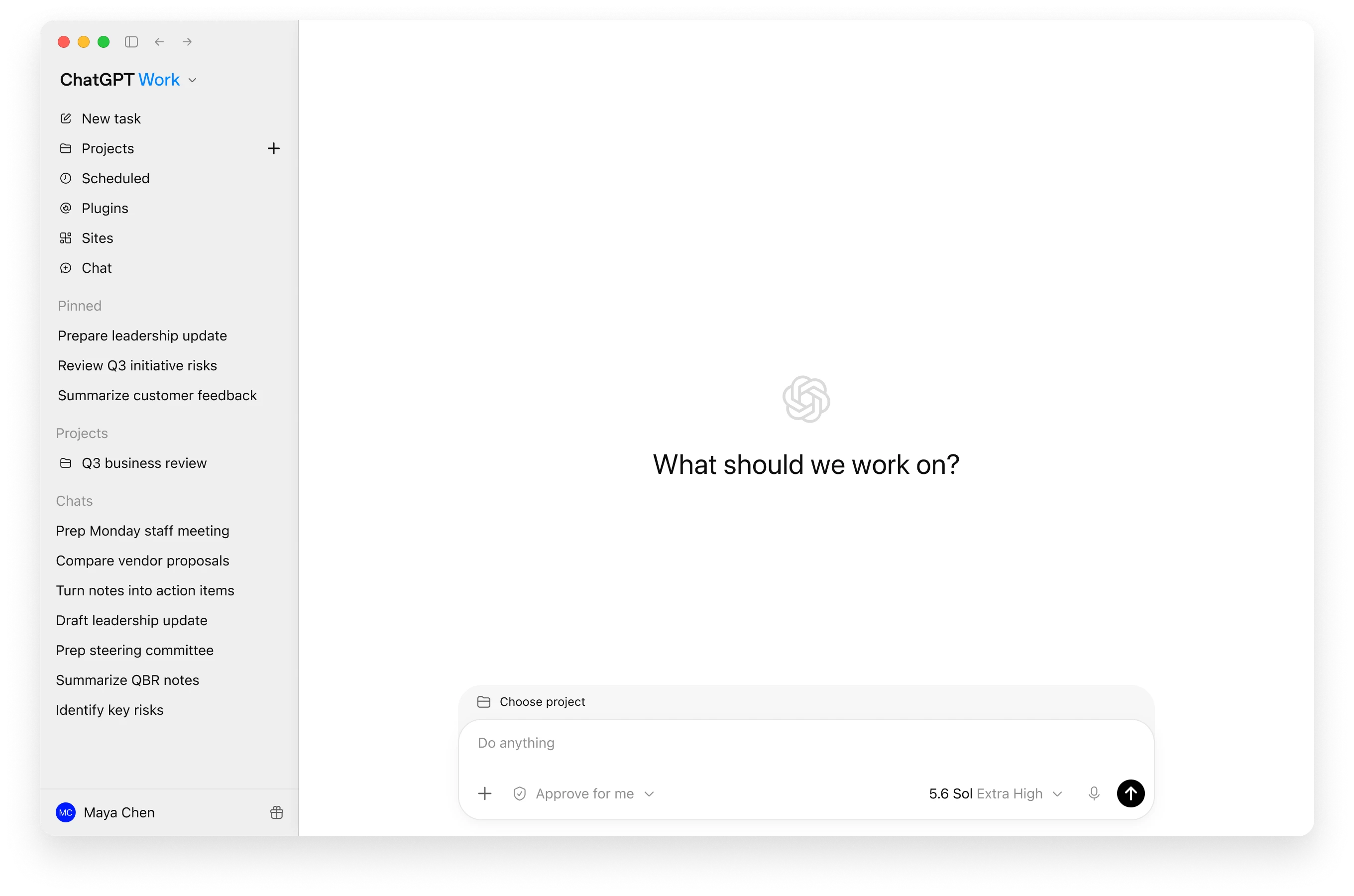
OpenAI plans to bring Work’s agentic capabilities into the main ChatGPT experience. From December, Plus, Pro and Business will share a ChatGPT/Codex allowance measured in tokens; Instant chat is excluded. The reviewed notice does not provide a date for every account to finish transitioning. TechTouch recommends retaining that distinction in team instructions. A month named in a roadmap should not become an invented reset day or a promise of simultaneous access.

Tokens describe processing, not completed deliverables

Tokens are units of information a model processes and generates; usage varies with model and task. Consider this illustrative TechTouch example: summarizing a short note and reading a repository, modifying code and running several test cycles are different workloads, even if each begins with one user instruction. Track task category, input size and successful output alongside the allowance consumed. This example is a measurement proposal, not a benchmark or a quoted billing rate. Comparing only prompt counts can hide meaningful differences in work.

Speed mode and sign-in method also matter

Ultrafast update, November 26, 2026: Pro 200 supports only GPT-6.2 Sol in Codex, not Work or Chat; credits do not add other models. Pro 500 supports GPT-6.2 Astra/Sol and GPT-6 Astra/GPT-6.1 Sol, subject to account access.

For Pro 200 GPT-6.2 Sol and Pro 500 GPT-6.2 Astra/Sol, included allowance is used first at 6× the same model’s Standard rate, then purchased credits at a promotional 3× Standard through February 28, 2027; no post-promotion rate is stated.

Pro 500 GPT-6 Astra/GPT-6.1 Sol retain 8× allowance and 6× purchased-credit rates.

Eligible Enterprise/Edu use workspace credits under their permissions, not Pro rates. Credits cannot unlock Ultrafast on Plus, Pro 100 or Business.

These are consumption multipliers, not speed guarantees. Codex ChatGPT sign-in uses plan entitlement; your own API key follows separate API billing. TechTouch suggests recording model, account, surface and mode before comparison.

Prepare a small record before the transition

TechTouch recommends a non-sensitive sample task and a simple record of outcome and waiting time under the current experience. When the new system arrives, inspect Settings → Usage and the reset time rather than guessing from another user’s account. Do not share credentials to have someone inspect an account for you. If a task reaches a limit, retain the displayed message, model, time and task state before waiting for a reset or using an available alternative. Adding spending capacity would not establish whether usage was counted correctly. No account settings were changed for this article.

A developer expectation still needs observation

OpenAI expects most users will not wait for resets more often. That is the developer’s expectation, not an independent test result or a TechTouch guarantee. Our analysis is that sharing a resource across more interfaces can change task prioritization even when the overall allowance is adequate. Watch when work hits a limit, whether the desired output was completed and whether account messages match the documentation. Recheck the primary sources at rollout. This report captures documentation on November 2; it cannot confirm future account-by-account deployment in advance.

Details and limitations

TimingDocumented scopeWhat to check
NowWork and Codex share usageDo not budget each interface as an independent pool
Starting December 2026ChatGPT/Codex sharing for Plus, Pro and BusinessInspect remaining usage and reset times
API keySeparate API billingIdentify which billing system your task uses

Things to know and check

  • Separate changes already applied from December’s transition
  • Record task, model, speed mode and reset time
  • Distinguish plan usage from API-key billing
  • Use non-sensitive samples and keep credentials private

Sources used for verification

Vendor facts are separated from TechTouch guidance. Features, pricing, and commercial terms may change, so check dates and conditions at the original source.

  1. OpenAI — About ChatGPT Pro tiers, Ultrafast checked 26 November 2026
  2. OpenAI — Understanding ChatGPT and Codex usage limits, checked 2 November 2026
  3. OpenAI — ChatGPT Work and Codex, Ultrafast checked 26 November 2026
Our editorial approach

Frequently asked questions

Must an active Pro 200 subscriber cancel to receive the adjustment?

No. OpenAI says the updated allowance applies automatically.

Is combined ChatGPT/Codex usage already fully rolled out?

The notice says starting in December 2026 and does not state a universal completion date.

AI usage budget controlsChatGPT Personal vs Business